
Running vs Clumping Bamboo: What You Need to Know
30/03/2026
Do I Have Running Bamboo? Understanding the Difference Between Running and Clumping Bamboo
If you’ve been told your Bamboo is “clumping” but you’re now seeing shoots appearing across your garden, you are not alone.
This is one of the most common enquiries we receive at JBB Knotweed Solutions. What starts as an attractive planting choice can quickly become a serious problem when Bamboo begins spreading beyond control.
So how do you know if you have running Bamboo, and why does it matter?
What Is the Difference Between Running and Clumping Bamboo?
Bamboo falls into two main categories: running Bamboo and clumping Bamboo. Understanding the difference is critical, as one is far more invasive than the other.
Running Bamboo
Running Bamboo spreads through an aggressive underground rhizome system. These rhizomes grow horizontally beneath the soil and can travel several metres away from the original plant before sending up new shoots.
This is why you might suddenly notice Bamboo appearing in different parts of your garden, under fences, through patios, or even into neighbouring properties.
Once established, running Bamboo can:
- Spread rapidly and unpredictably
- Damage hard surfaces such as paving and driveways
- Encroach onto neighbouring land, creating disputes
- Become extremely difficult to control without professional intervention
Clumping Bamboo
Clumping Bamboo behaves very differently. It grows in tight, contained clusters, expanding slowly outward from the original plant.
In most cases, clumping Bamboo:
- Stays relatively contained
- Grows in a circular formation
- Is far easier to manage with basic maintenance
However, it is important to be clear. While clumping Bamboo is less aggressive, it is not completely risk-free if left unmanaged.
Why Does My Bamboo Seem to Be Spreading?
This is where confusion often arises.
Many homeowners are told they have clumping Bamboo when they purchase a property or plant Bamboo initially. However, once new shoots start appearing metres away, it becomes clear that something is not right.
There are a few common reasons for this:
1. Misidentification
The most common issue is simple misidentification. Running Bamboo is often mistaken for clumping varieties, especially when first planted or when growth is limited.
Once established, the true nature of the plant becomes obvious.
2. Underground Rhizome Spread
If your Bamboo is sending up shoots in new locations, this is a clear sign of rhizome spread. These underground roots can remain hidden for long periods before emerging, giving the impression that the plant has suddenly become aggressive.
3. Disturbance of Soil
Digging, landscaping, or construction work can disturb Bamboo rhizomes and trigger further spread. In some cases, breaking the rhizome system can actually accelerate growth by creating multiple new growth points.
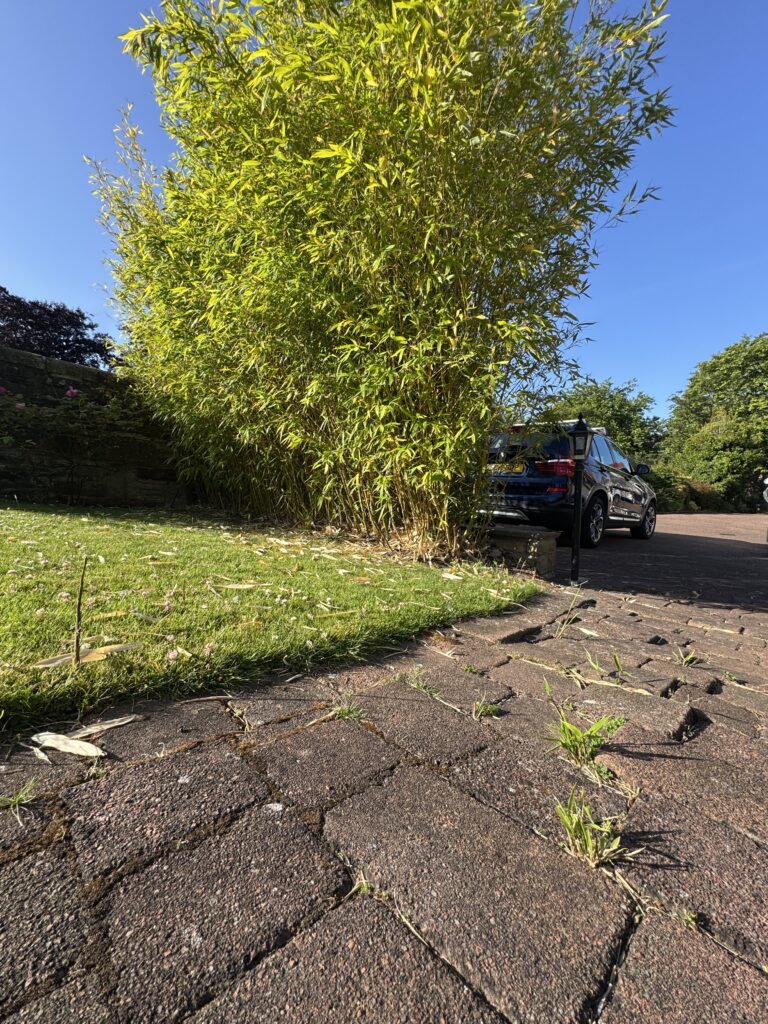


Signs You May Have Running Bamboo
If you are unsure what type of Bamboo you have, look out for these warning signs:
- New shoots appearing away from the main plant
- Growth spreading under fences or boundaries
- Bamboo emerging through patios, lawns, or hardstanding areas
- Rapid increase in coverage over one or two growing seasons
If you are seeing any of the above, it is highly likely that you are dealing with running Bamboo.
Why Running Bamboo Is a Serious Problem
Running Bamboo is not just a garden nuisance. It can quickly escalate into a costly and complex issue if left untreated.
For homeowners, it can:
- Take over large areas of a garden
- Damage landscaping and structures
- Lead to disputes with neighbours
For commercial sites and developments, it can:
- Delay works and increase project costs
- Require specialist management before construction
- Create ongoing maintenance liabilities
Unlike surface weeds, Bamboo’s strength lies underground. Standard gardening methods rarely solve the issue long-term.
Can You Control Bamboo Yourself?
In short, small and early infestations may be manageable with consistent effort. However, once Bamboo has established a widespread rhizome network, DIY methods often fail.
Cutting it back will not stop it.
Digging it out rarely removes the full root system.
And incorrect treatment can actually make the problem worse.
This is where professional advice becomes critical…
How JBB Knotweed Solutions Can Help
At JBB Knotweed Solutions, we provide specialist Bamboo surveys, management plans, and removal services across Scotland.
We assess the extent of the infestation and recommend the most effective solution based on your site, budget, and long-term goals.
This may include:
- Targeted herbicide treatment programmes
- Controlled excavation and removal
- Ongoing monitoring
- Installation of root barrier systems to prevent further spread
Our team understands the behaviour of both running and clumping Bamboo and will ensure the correct approach is taken from the outset.
Take Control Before It Spreads Further
If your Bamboo is spreading beyond where it should be, it is unlikely to resolve on its own.
Early intervention will always reduce cost, disruption, and long-term damage.
If you are unsure what type of Bamboo you have, or you are already seeing signs of spread, get in touch with JBB Knotweed Solutions today.
We will help you identify the problem and provide a clear, professional route to getting your property back under control.
More From JBB Knotweed Solutions
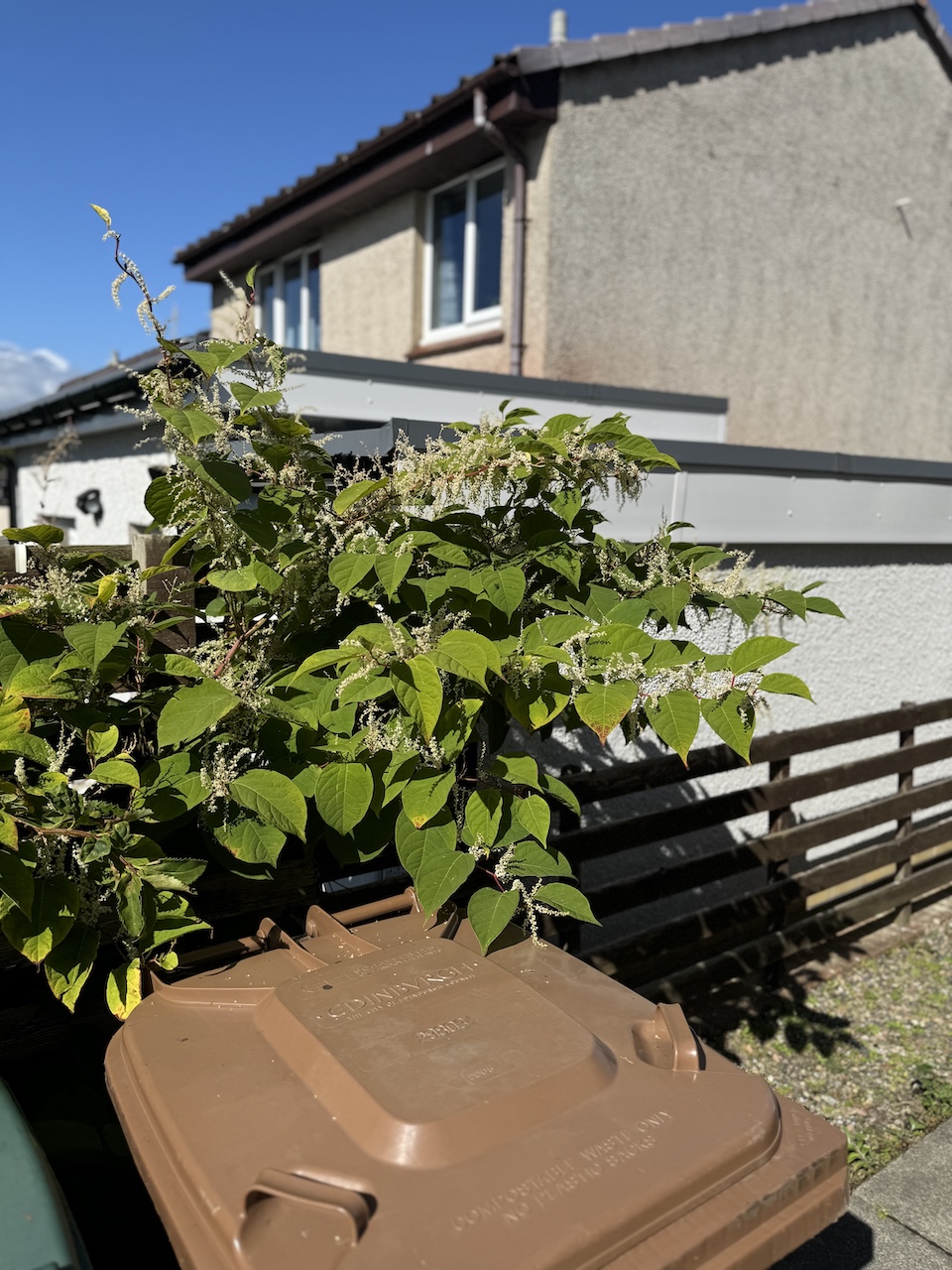
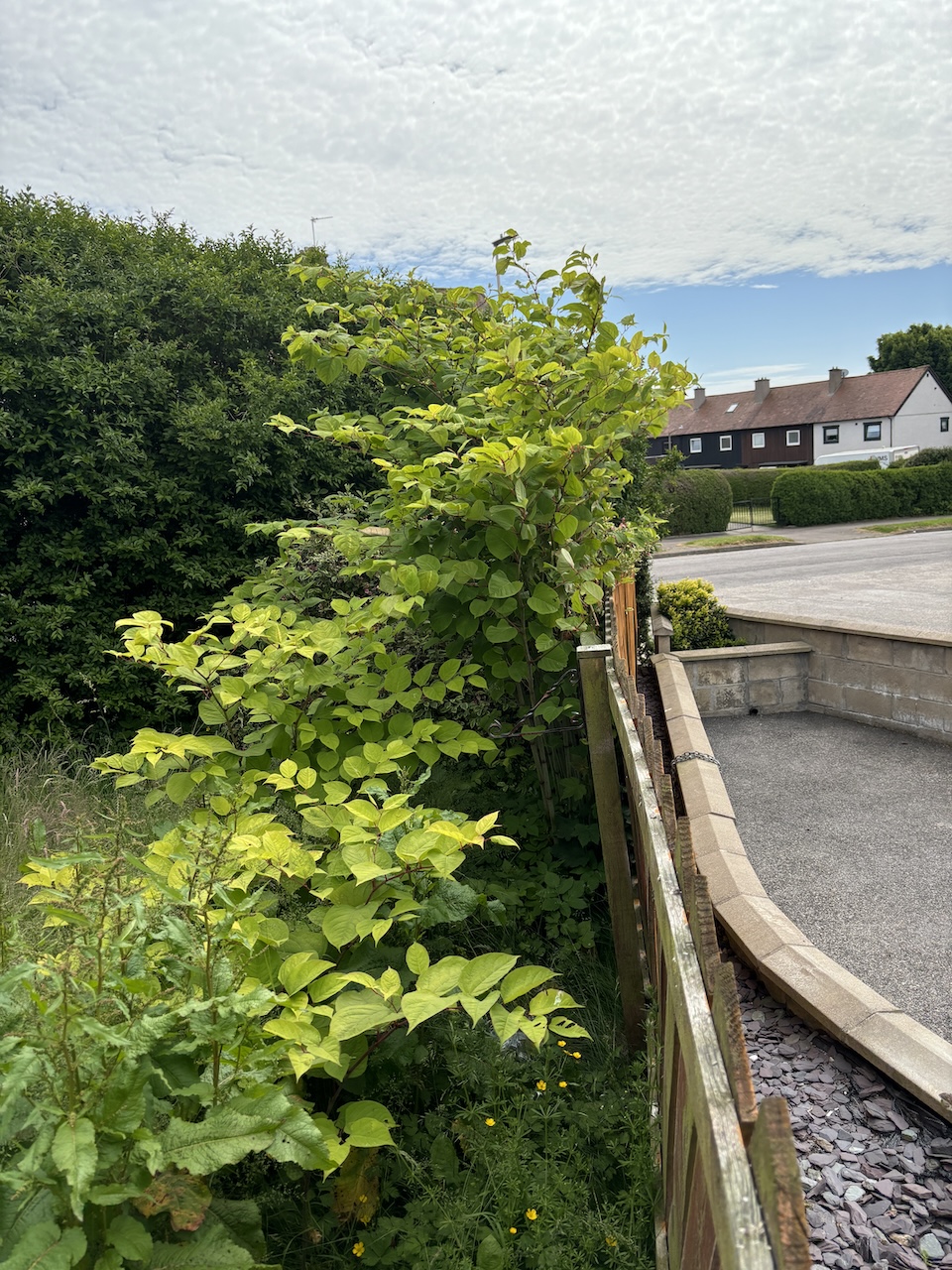
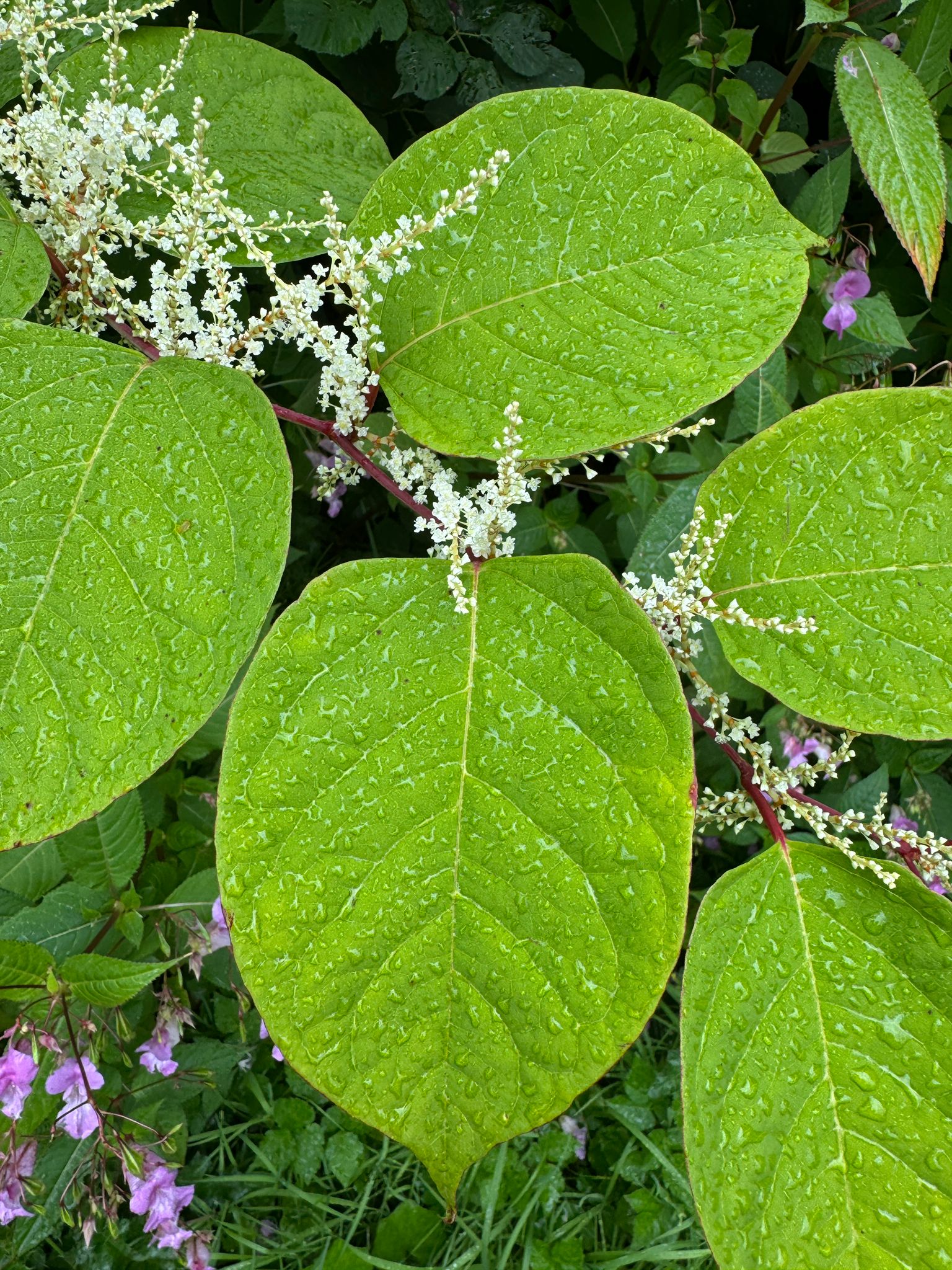
Get the latest advice, solutions, and insights to protect your property from invasive Japanese Knotweed.
Book a Survey
We can confirm if you have Japanese Knotweed on your property and recommend the best course of action.