
Why Timing Matters – The Science Behind Effective Invasive Weed Treatment
01/06/2026
Many people assume that their invasive weed can be treated whenever they appear. After all, if you can see the plant, surely that’s the time to spray it?
Unfortunately, invasive weeds are rarely that simple.
Whether you’re dealing with Japanese Knotweed, invasive bamboo, Field Horsetail, Giant Hogweed or Himalayan Balsam, successful treatment depends heavily on timing. Applying the correct treatment at the right stage of the plant’s growth cycle can significantly improve results and help target the real problem beneath the surface.
At JBB Knotweed Solutions, one of the most common questions we hear is:
“Why do I need to wait until later in the season for treatment?”
The answer lies in understanding how invasive plants grow and where they store their energy.
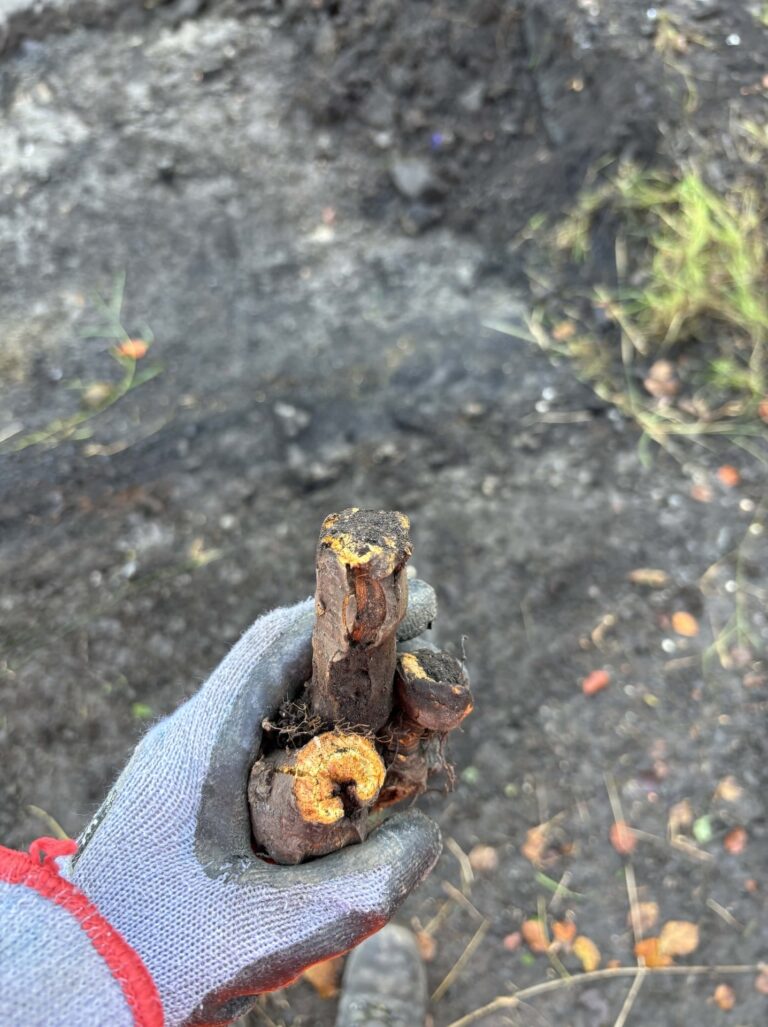
What You See Above Ground Is Only Part of the Problem
Most invasive weeds are far larger than they appear.
The visible stems, leaves and shoots are often only a small part of the infestation. Beneath the soil, many invasive plants develop extensive root and rhizome systems that allow them to survive, spread and regenerate.
Japanese Knotweed spreads through underground rhizomes.
Bamboo can travel several metres through underground rhizome networks before producing new shoots.
Field Horsetail develops deep underground structures that make it notoriously difficult to eradicate.
While the growth above ground attracts attention, it is often the underground system that determines whether treatment succeeds or fails.
How Plants Use Their Energy Throughout the Year
Like all plants, invasive weeds need energy to survive.
During spring and early summer, plants focus on producing new growth. Fresh shoots emerge, stems develop, and leaves expand to capture sunlight.
To fuel this rapid growth, the plant draws on energy reserves stored within its roots and rhizomes.
Japanese Knotweed is a perfect example. In spring, bright red shoots emerge from the soil and can quickly grow to over two metres tall within a matter of weeks. During this stage, the plant is effectively spending the energy it stored underground during the previous year.
At this point, most of the movement within the plant is travelling upwards.
Why Late Summer and Autumn Often Deliver Better Results
As the growing season progresses, the plant begins preparing for winter.
Instead of directing energy into producing new growth, it starts moving sugars, nutrients and resources back down into the root and rhizome system for storage.
This change in direction creates a valuable opportunity.
When herbicide is applied during this period, it can move through the plant alongside these nutrients and be transported deeper into the underground structures that support future growth.
In simple terms, the plant helps carry the treatment to where it is needed most.
This is why many Japanese Knotweed treatment programmes focus on late summer and autumn applications. The goal is not simply to damage the stems and leaves you can see today. The aim is to weaken the rhizome system that will drive future growth.
Why Timing Matters for Different Invasive Weeds
Although every species behaves differently, timing plays an important role in the management of many invasive plants.
Japanese Knotweed
Treatment programmes are often designed around the movement of nutrients back into the rhizome system. This helps maximise herbicide uptake and improve long-term control.
Bamboo
Bamboo spreads through underground rhizomes that can extend well beyond the visible growth. Understanding the plant’s growth cycle can improve treatment effectiveness and help reduce future spread.
Field Horsetail
Field Horsetail is one of the oldest surviving plant species on Earth and has evolved remarkable resilience. Effective treatment often depends on targeting the plant at the correct growth stage.
Giant Hogweed
Early intervention can prevent flowering and seed production, helping to stop thousands of new plants from establishing.
Himalayan Balsam
Timing is critical to prevent seed production. Missing the treatment window can allow the infestation to continue for another growing season.
Why Professional Advice Makes a Difference
No two infestations are the same.
The size of the affected area, the species involved, surrounding vegetation, site conditions and future land use all influence the most appropriate treatment strategy.
Successful invasive weed management requires more than simply applying a herbicide. It requires an understanding of how the plant behaves throughout the year and selecting the most effective treatment method at the most appropriate time.
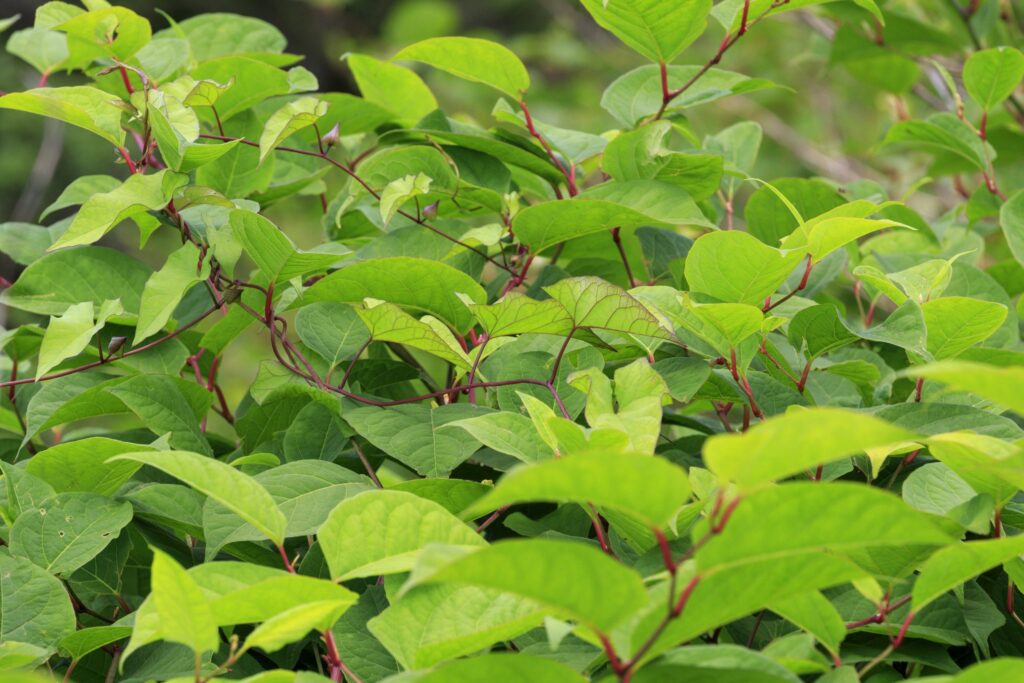
Early Planning Delivers Better Results
One of the biggest mistakes property owners make is waiting until an infestation becomes severe before seeking advice.
By the time significant growth is visible, the underground root or rhizome system may already be well established.
Early identification allows treatment programmes to be planned around the plant’s growth cycle, helping to maximise effectiveness while reducing long-term costs and disruption.
Need Advice on an Invasive Weed?
If you’ve identified Japanese Knotweed, Bamboo, Field Horsetail, Giant Hogweed or another invasive plant on your property, JBB Knotweed Solutions can help.
Our experienced surveyors provide professional surveys, management plans, herbicide treatment programmes and excavation services across Scotland.
Contact our team today to arrange a survey and take the first step towards effective invasive weed control.