
Why Does Japanese Knotweed Keep Coming Back? Common DIY Treatment Mistakes
15/06/2026
Discovering Japanese Knotweed on your property can be alarming.
It’s understandable that many homeowners want to tackle the problem themselves. After all, if it’s a plant, surely cutting it back, digging it out, or applying a weedkiller will solve the problem?
Unfortunately, Japanese Knotweed is rarely that straightforward.
At JBB Knotweed Solutions, we regularly visit properties where previous attempts to control Japanese Knotweed have not delivered the results the owner expected. In many cases, the plant appears smaller than before, but the infestation remains very much alive beneath the surface.
So why does this happen?
Why Japanese Knotweed Often Appears to Disappear
Many property owners are encouraged when Japanese Knotweed becomes smaller following treatment or repeated cutting.
The stems may be shorter, the leaves less vigorous, and the infestation appears less obvious than before.
Unfortunately, this doesn’t always mean the problem has been solved.
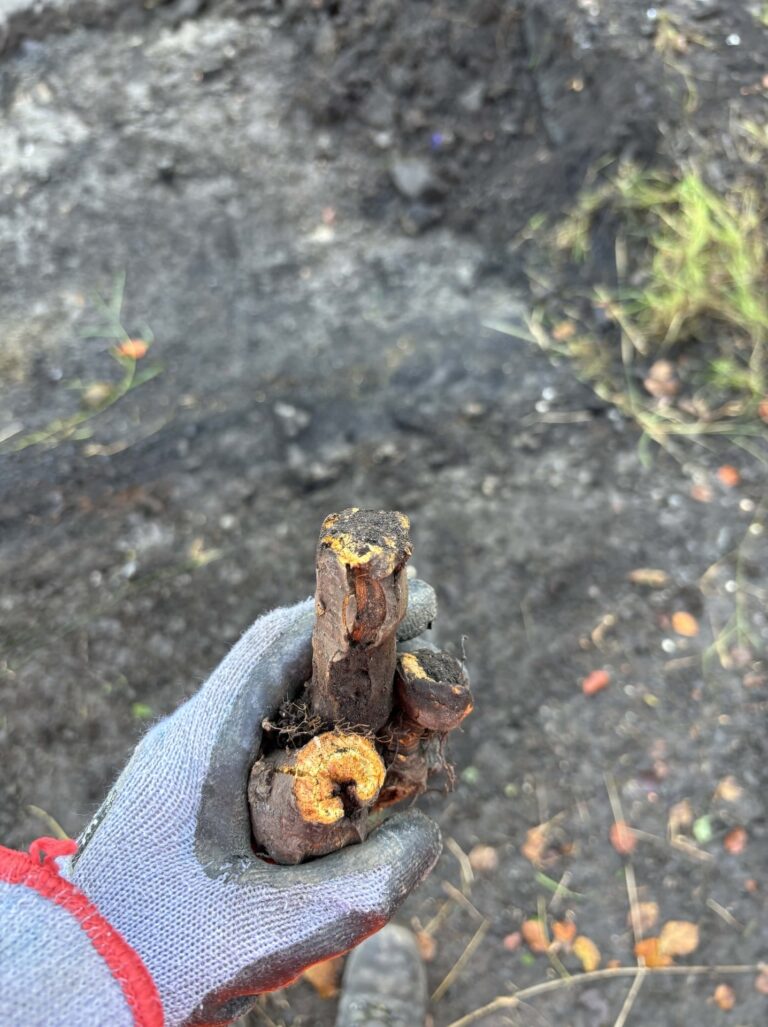
Japanese Knotweed stores significant energy reserves within its underground rhizome system. Even when the visible growth appears weak, the plant may still be alive beneath the surface and capable of producing fresh growth in future seasons.
This is one of the reasons Japanese Knotweed has developed a reputation for being one of the most persistent invasive plants in the UK.
The Biggest Mistake: Treating What You Can See
One of the most common misconceptions about Japanese Knotweed is that the visible growth is the problem.
In reality, the stems and leaves above ground are only part of the story.
The real challenge lies beneath the soil where an extensive rhizome system stores energy and supports future growth.
Successful treatment isn’t about killing the stems you can see today. It’s about weakening and eventually controlling the underground rhizomes that allow the plant to regenerate year after year.
This is why professional treatment programmes focus on what lies beneath the surface, not just what is visible above ground.
Why Cutting Back Japanese Knotweed Doesn’t Solve the Problem
One of the most common mistakes homeowners make is repeatedly cutting, mowing or strimming Japanese Knotweed.
Many people assume that if they continue removing the visible growth, the plant will eventually run out of energy and die.
Unfortunately, Japanese Knotweed has evolved to survive this type of disturbance.
When the stems are cut, the rhizomes beneath the ground still contain substantial energy reserves. The plant simply uses those reserves to produce fresh growth.
While repeated cutting may reduce the height of the plant, it rarely eliminates the infestation.
In some cases, it can actually make professional treatment more difficult by reducing the amount of healthy leaf material available for herbicide uptake.
What Is Bonsai Knotweed?
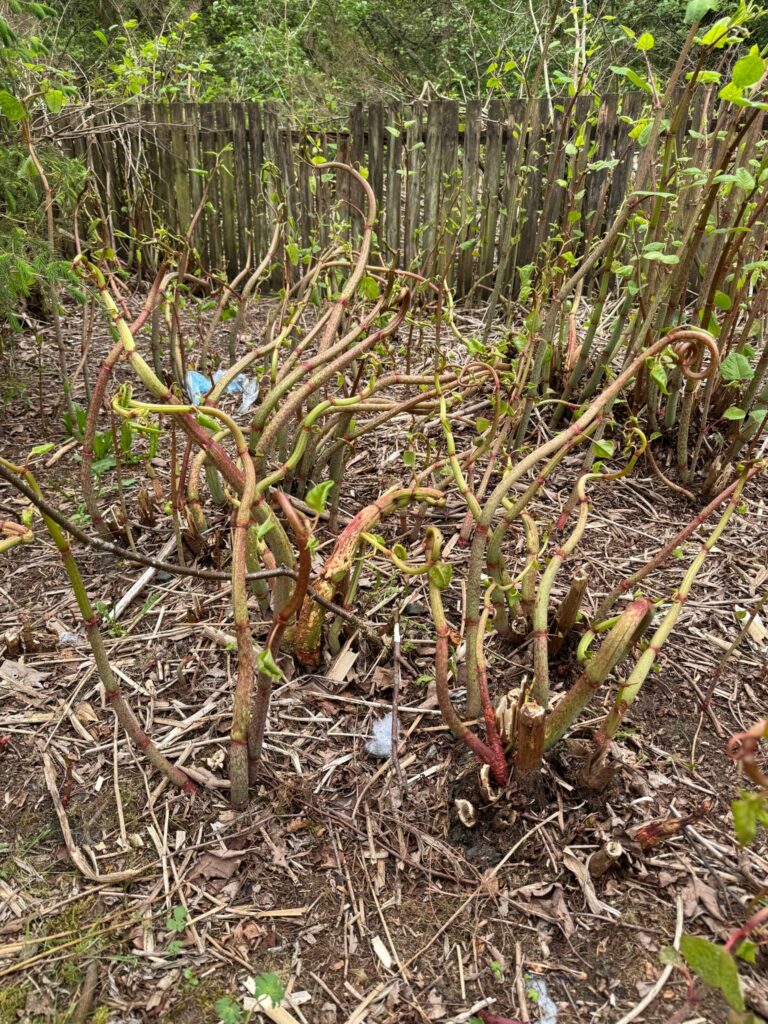
Within the invasive weed industry, surveyors often refer to “bonsai knotweed”.
This occurs when Japanese Knotweed has been repeatedly cut, mown, strimmed, or treated incorrectly over a long period.
Instead of producing the tall stems and broad leaves most people associate with Japanese Knotweed, the plant responds by producing small, distorted, stunted growth.
To an untrained eye, this can look like progress.
Many homeowners believe they are winning the battle because the plant never grows particularly tall.
In reality, the underground rhizome system may still be healthy and capable of regeneration.
The challenge is that these smaller plants often provide less leaf area for herbicide uptake and can be harder to identify, monitor, and treat effectively.
What appears to be a success may simply be a hidden infestation waiting for the right conditions to return.
Common DIY Mistakes and Internet Myths
Over the years, we have encountered a number of common mistakes that can reduce treatment effectiveness.
These include:
• Cutting or strimming the plant immediately before treatment
• Treating at the wrong time of year
• Applying unsuitable domestic weedkillers
• Digging up visible growth without removing the rhizome system
• Disturbing contaminated soil and spreading rhizome fragments
• Treating at the wrong stage of the growing season
• Assuming reduced growth means the infestation has been eradicated
The internet is full of supposed Japanese Knotweed “cures”, from vinegar and salt mixtures to repeated cutting programmes. While these methods may suppress visible growth temporarily, they rarely address the underground rhizome system, where the real problem exists
While these actions are usually well-intentioned, they can often prolong the problem rather than solve it.
Why Professional Treatment Programmes Are Different
Professional invasive weed management is based on understanding how the plant behaves.
Before recommending treatment, our surveyors assess:
• The size and maturity of the infestation
• Site conditions and surrounding vegetation
• Evidence of previous treatment attempts
• Potential rhizome spread beyond visible growth
• Future plans for the site
From there, we develop a management plan tailored to the specific infestation and the client’s objectives.
This may involve herbicide treatment, excavation, monitoring, or a combination of methods.
The goal is not simply to reduce the visible growth. The goal is to achieve long-term control of the underground rhizome system.
The Earlier You Seek Advice, the Better
Many unsuccessful attempts to control Japanese Knotweed have one thing in common: they focus on the visible growth rather than the underground rhizome system.
If your Japanese Knotweed keeps returning, appears stunted, or simply isn’t responding as expected, professional advice can help identify what is happening beneath the surface.
The sooner the problem is properly assessed, the easier it is to develop an effective management plan.
Whether you need a survey, treatment programme, management plan, or excavation solution, JBB Knotweed Solutions can help.
Our experienced team provides professional Japanese Knotweed surveys and treatment services across Scotland, helping homeowners, businesses, and landowners take control of invasive weed problems with confidence.
Contact JBB Knotweed Solutions today to arrange a survey and take the first step towards effective Japanese Knotweed management.